As startups navigate the ever-changing landscape of 2023, hiring has become a critical aspect of their success. The state of the economy, talent market shifts, and emerging generations entering the workforce all present unique challenges for startup founders and hiring managers.
In this blog post, we will explore real-world examples from startups and news sources in 2023 to shed light on the obstacles faced and strategies employed to overcome them.
State of the economy
Recent layoffs in tech
With job openings slipping to a 2-year low, it’s apparent employers are focused on reducing hiring amid rising borrowing costs. The number of available positions declined to 9.6 million in June, the most recent month for which data is available, the U.S. Bureau for Labor Statistics said Tuesday.
Crunchbase reported VC funding reached $76 billion—marking a 53% decline year over year from $162 billion in the first quarter of 2022. In Q1 2023, VC funding was reportedly down 53%. Alongside more risk adverse investors, came layoffs from tech giants.
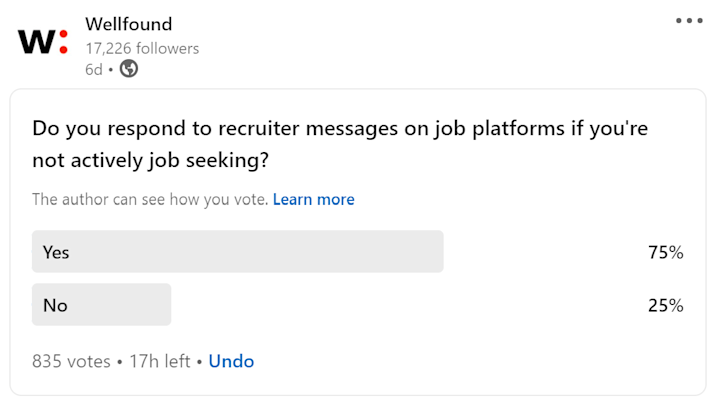
This caused a surplus of experienced employees in the job market. Now, a job posting on a hiring platform may get hundreds of candidates coming from people not qualified or best fit for the role. Additionally, smaller startups struggle to compete with the enticing packages offered by bigger firms for roles that are open.
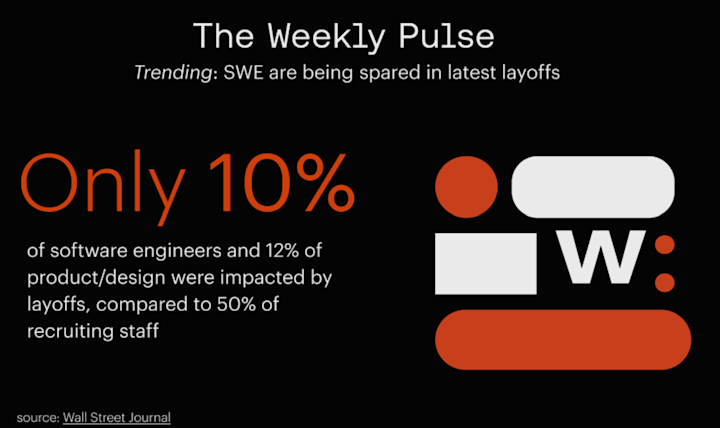
Additionally, tech platform Interviewing.io estimates that tech companies that cut jobs have, on average, slashed about half of their recruiting staff—compared to about 10% of software engineers.
AI isn’t killing jobs … yet
It seems just about every kind of company is looking into what generative AI can do for them. Three in five workers are worried about losing their jobs entirely in the next decade, and three-quarters say AI has increased work intensity. A new report from the OECD might give them reason to relax a bit. It concludes that AI’s impact on employment is limited so far, although there’s potential for significant displacement in the future. “Occupations in finance, medicine, and legal activities which often require many years of education, and whose core functions rely on accumulated experience to reach decisions, may suddenly find themselves at risk of automation from AI,” according to the report.
Labor Leverage with Offshore Talent
Facing a scarcity of local AI specialists, "AIRevolution" looked to global talent for their project needs. By tapping into the expertise of offshore teams, they expanded their capabilities while also fostering a diverse and inclusive work environment. However, they acknowledged the importance of effective communication and utilized collaboration tools to bridge the geographical gap.
Future of Hiring for Startups
Gen Z Coming into the Job Force
Startup "GreenTech Solutions" noticed a shift in workforce expectations as Gen Z entered the job market. To appeal to this generation's values of environmental consciousness, purpose-driven work, and work-life balance, GreenTech Solutions emphasized their commitment to sustainability and offered flexible work arrangements to attract young talent.
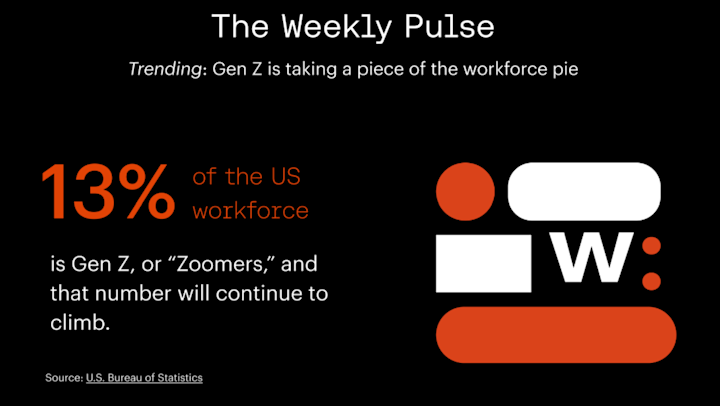
Gen Z is entering the workforce as the first digital native generation. “Zoomers” are exceptionally prepared to champion and employ generative AI at work, making the timing of the current AI boom quite fortunate. Gen Z makes up just 13% of the U.S. workforce today and the youngest among them haven’t even graduated yet.
Red Flags for Hiring Remote Employees
As remote work became more prevalent, "WorkSphere," a virtual collaboration platform, encountered challenges when hiring remote employees. To assess candidates effectively, they introduced competency-based assessments and incorporated virtual team exercises to evaluate communication and collaboration skills, ensuring they selected the right fit for their remote team.
Flexible companies add headcount at double the rate of fully in-office peers, according to a new study of 3.6k companies. The study found that flexible work arrangements—hybrid, fully remote, or electively-remote—added headcount at more than 2X the rate of fully in-office companies.
Skill-Based Hiring vs. Experience/Tenure-Based:
"SkillUpTech," a technology upskilling platform, championed skill-based hiring in 2023. They emphasized potential and adaptability over rigid experience requirements, enabling them to onboard passionate and quick-learning individuals eager to grow their careers. Their approach resulted in a dynamic team that could swiftly adapt to the fast-paced tech industry.
Half of the U.S. workers are so-called “knowledge workers.” Now that AI is able to pass a medical exam and provide a fairly convincing therapy session, they’re paying more attention to AI and its potential implications. Experts expect this generation’s “skills-based technological change” to reshuffle roles just as others did to the factory floor and call center. Automation eliminates the need for some roles while creating new opportunities at the top.
Get started with Wellfound today
Startups faced unique hiring challenges in 2023 due to the state of the economy, shifts in the talent market, and the arrival of Generation Z. Embracing AI tools, exploring offshore talent, and adapting to the preferences of emerging generations allowed startups to build strong teams that drove their success in an ever-changing landscape. As the hiring landscape continues to evolve, startups must remain agile and forward-thinking to secure the talent they need to thrive. Get started with hiring for your next role on Wellfound today.