
Working from home has surged in popularity given the pandemic and the realization that many jobs can be done from the comfort of employees’ homes. Even before COVID-19, tech companies were shifting their companies to a remote environment to save costs, lessen commutes, and provide a better work-life balance.
If you're still on the fence about whether this change is for you, below are 19 big benefits of working from home. We also cover how both employees and their employers can benefit from the remote work model and include actionable tips on how to work remote jobs efficiently.
1. Save time without a commute
When working remotely, you don’t have to waste time commuting, nor do you have to spend on gas or other transportation expenses. According to a study by the Texas A&M Transportation Institute, the average American that drives to work spends 54 hours per year stuck in traffic. Commuting is one of the many causes of in-person workers’ stress: Studies have shown that a one-way commute of 30 minutes or more is associated with increased levels of stress.
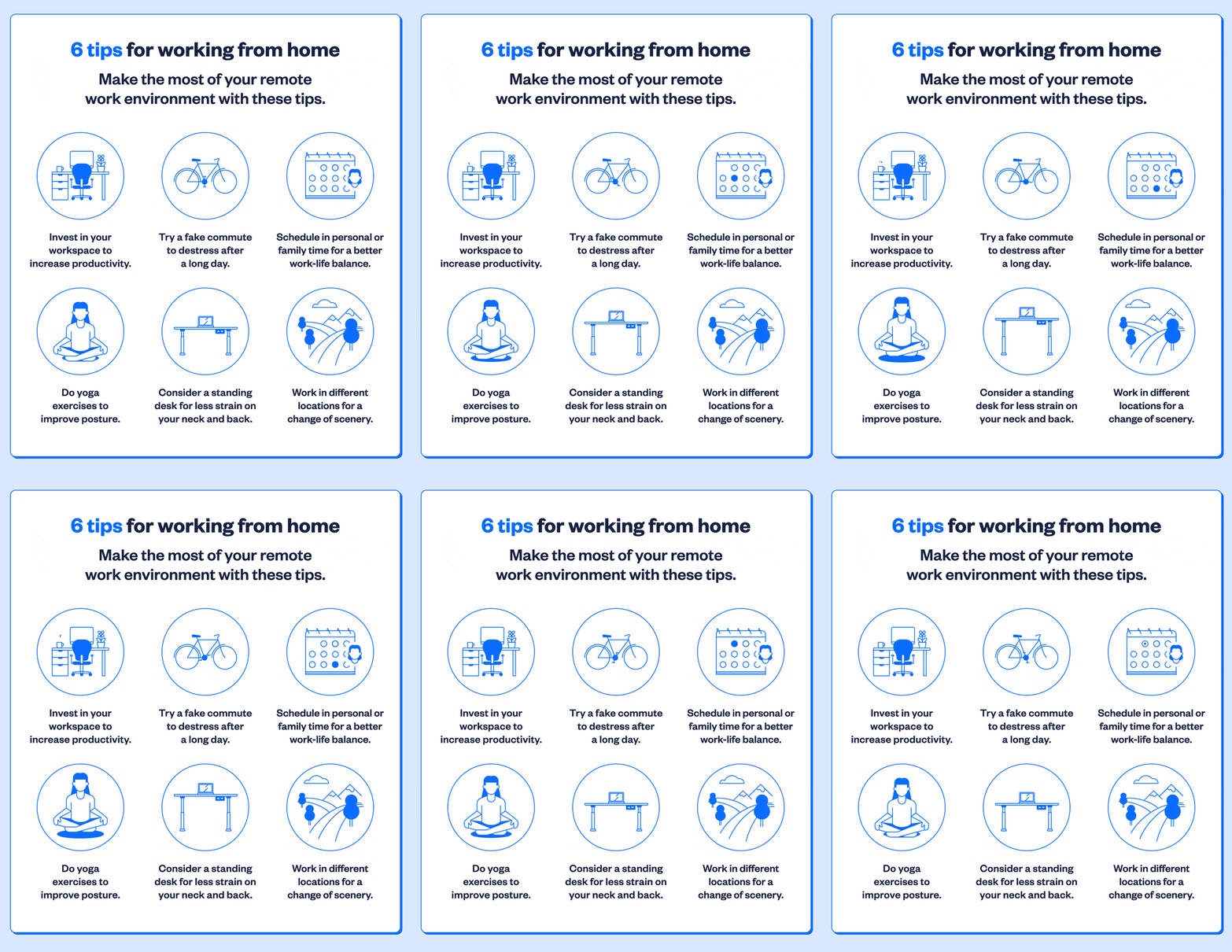
Pro tip: Going on a “fake commute” by walking, biking, or running before work can help you create a transition into work mode as well as incorporate physical activity into your day.
2. More schedule flexibility
Remote work frees up a lot of time that’s otherwise spent commuting and grabbing lunch. Some meetings can even be removed from your calendar to allow more schedule flexibility.
Pro tip: Implementing a “no-meeting day” one day a week can help remote employees increase productivity with zero interruption.
3. Higher productivity
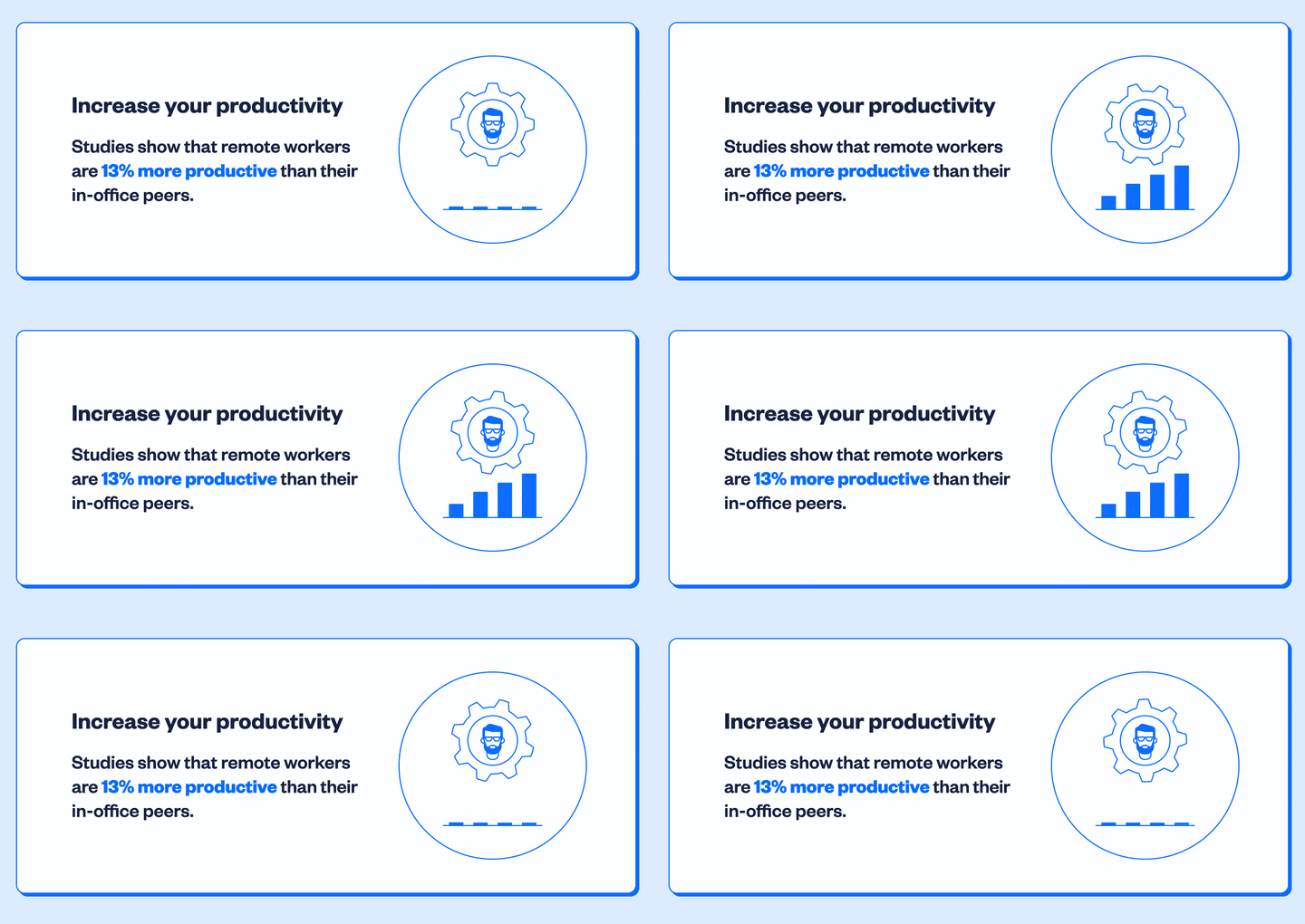
One study revealed that remote workers were 13% more efficient than their in-office coworkers. Employees themselves have also reported that they are at the same productivity level or higher working from home compared to in-office.
Working from home increases employee productivity because you no longer have the interruption of a time-consuming commute or in-office distractions.
Pro tip: Instead of working from your bed or your couch, having a designated office space that is clean and organized can help you stay productive while working remotely.
4. Greater opportunity for inclusivity
The option of remote work opens many doors, especially for those who live with disabilities. Some of the benefits of remote work for such employees include the ability to be your authentic self in the comfort of your own home and fewer physical barriers when it comes to getting to and around the office. You’ll also be able to get access to jobs you wouldn’t otherwise have access to locally and have more flexibility in scheduling appointments since you no longer have to commute.
Pro tip: Hiring folks with disabilities isn’t the only way to increase diversity. Employers should lead initiatives for diversity and inclusion with workshops, training, and mixers to help employees of all backgrounds feel included.
5. Extra money saved on office attire
In-office workers can sometimes be asked to adhere to a work dress code. However, remote workers don’t have the same restrictions on how they dress. Office attire like suits, shoes, and even grooming products can become costly over time.
Pro tip: To regain a sense of normalcy and work-life boundaries, remote workers can get ready for work at least one day a week. No need to go all out, but getting ready for an important meeting can make you feel more confident.
6. Opportunity for a customizable office
Gone are the days of dreary cubicles: A home office allows for more personalization since it’s in your own space! Decorate your workspace how you like it so that it fits your needs and optimizes your productivity.
Having your own workspace in the comfort of your own home can reduce noise levels and distractions that you may have experienced in-office, so that you can spend more time focused on the work at hand.
Pro tip: One of the most popular items for remote employees are standing desks, since studies have shown sitting for your entire workday can result in negative health outcomes over time.
7. Increased time with loved ones
Since schedules won’t include a commute or in-person activities, you can spend more valuable time with their loved ones as they work from home. The time gained can allow you to show up for your family. From attending a child’s school events to caring for family members, remote work brings back valuable time that can be spent with your loved ones.
Pro tip: If you struggle with logging off, try scheduling time on your calendar dedicated to sharing time with those who matter most.
8. Reduced outside spending
Working in-office can incur a multitude of costs, like the $6 coffee habit or a $20 lunch — or even filling up your tank! Working from home will encourage you to make use of what you already have at home to save you money in the long run.
Pro tip: While it may be more convenient than ever to order take-out, cooking meals at home with your family will not only be better for your wallet but can help destress you as well.
9. Better for the environment
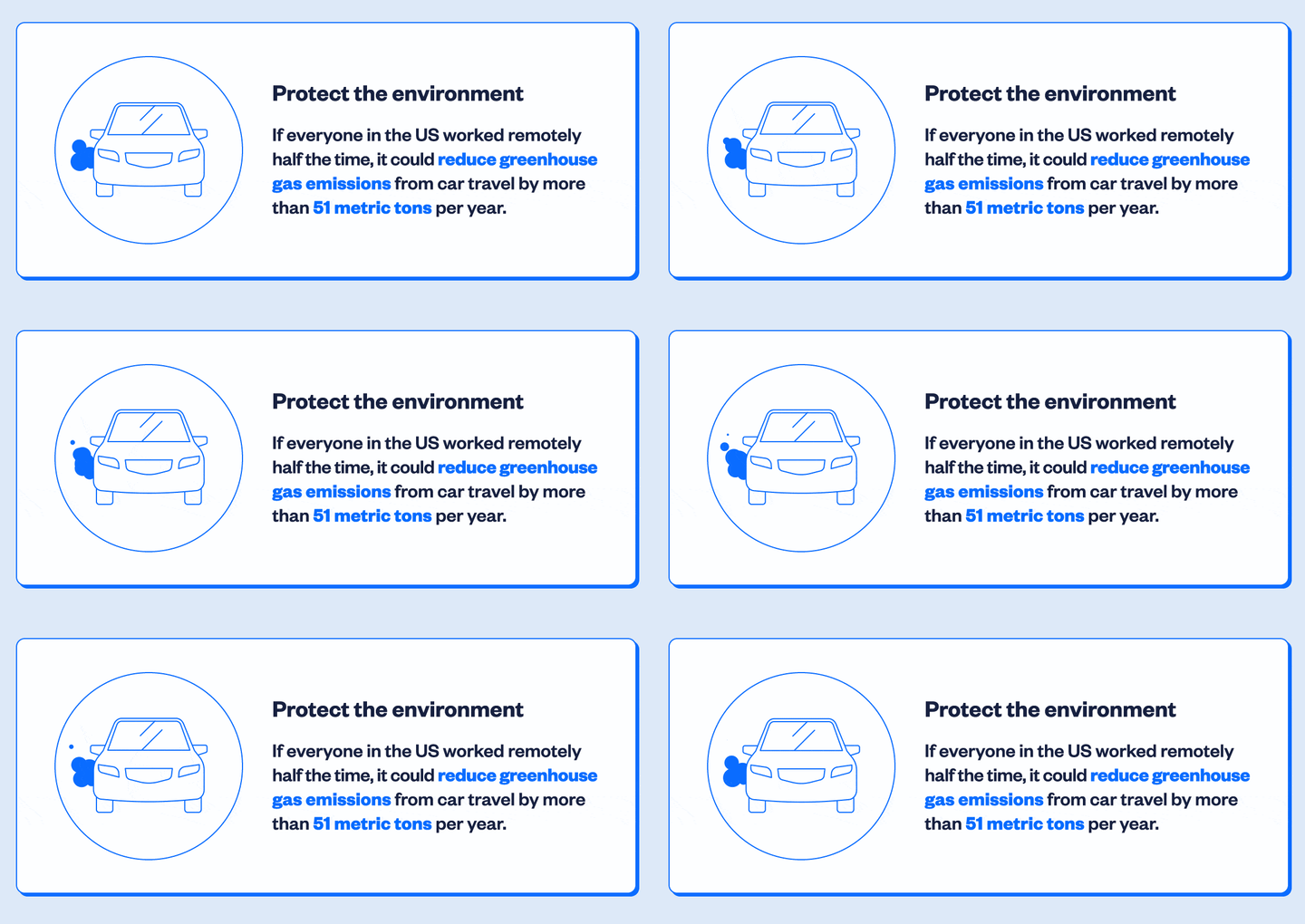
Driving to work, and commuting in general, can have costly effects on the environment. Research firm Global Research Analytics reported that if everyone in the US worked remotely half the time, it could reduce greenhouse gas emissions from car travel by more than 51 metric tons per year.
Pro tip: To increase your eco-friendly habits, try reducing waste by eating at home as opposed to getting take-out. Food packaging often comes in the form of plastic which can increase your carbon footprint on the environment.
10. Money saved on office space
There are plenty of benefits of working from home for employers, the best of which would probably be saving money on renting office space, purchasing office supplies, and paying utility bills. The US Patent and Trademark Office saved over $38 million in 2015 by using less office space.
Pro tip: Working from home all the time can lack variety, so try working at a coffee shop or a WeWork space to create a change of scenery.
11. Increased job satisfaction
In a 2019 study, 22% of full-time remote employees said they were happier in their jobs than workers who were never remote. Remote work perks like increased autonomy and scheduling flexibility yield higher job satisfaction for remote workers. Not only can you meet the demands of their work, but you can also make time for your personal life.
Pro tip: Just like when in the office, overworking and burnout can be a common occurrence when working remotely. Make sure to set a time to log on and log off and prioritize creating a solid work-life balance.
12. Less likely to spread sickness
Employees who work from home are less likely to get sick or spread sickness to others due to reduced in-person interactions. Remote work can also lead to fewer sick days since some ailments allow you to be on your computer even if you can’t make it into the office.
Pro tip: Even though certain illnesses allow you to work on your laptop, it’s important not to overwork and take time off when you need it!
13. Freedom to relocate
Working in-office means employees are required to physically show up, whereas remote workers can fulfill a dream of traveling around the world. You can reap the benefits of working from your laptop and travel while doing so — all you need is a reliable internet connection!
Pro tip: There’s no need to postpone your travel plans: Remote work allows you to work from anywhere with connectivity. Book that trip to Bali or explore different areas in your city for a change of scenery. Who wouldn’t want to work from the beach?
14. More time for healthy habits
More free time in your schedule means more time to implement healthy habits like cooking at home and working out. Whether you decide to make your “fake commute” a walk around the block or you spend your lunch break making a meal from scratch, there are endless ways to make remote work work for you.
Pro tip: Remote workers often spend a lot of time sitting in front of their computers. This can cause a lot of strain on your neck, back, and shoulders. Doing yoga exercises like downward dog or child’s pose will specifically target any pain or stiffness in that region.
15. Opportunity for efficient communication
While in-person meetings and conference calls are tried and true, there is plenty of new software to try to make workplace communication even more efficient. A quick message on Slack or a visual meeting on Zoom can save you the time that a physical, in-person meeting would take had you made a commute.
Digital communication also simplifies communication across different time zones and speaking with employees on the other side of the globe. If time differences make it difficult to meet virtually, sending a detailed message or email can do the trick in addition to saving a lot of time and energy overall.
Pro tip: Zoom fatigue has become increasingly common in the remote workforce, so try removing unnecessary meetings or turning off your camera if you’re not feeling up to video calls.
16. Larger talent pool
Recruiting employees from all over the world means that employers are no longer limited to applicants in the local area — the sky's the limit. A larger talent pool has a multitude of benefits such as greater diversity in the company as well as access to employees with specialized skills you can’t find elsewhere. Plus, international employees have access to markets outside of the U.S. and can attune business efforts to appeal to customers globally.
Pro tip: Since employers can hire from all around the globe, there’s no need to rush the hiring process since you can vet candidates from a larger applicant pool. If you’re looking to expand markets in different countries, hiring employees who are familiar with the culture will only aid your international business efforts.
17. Better work-life balance
Working from home can greatly increase work-life balance. In a 2019 study, 81% of respondents said the ability to work remotely would allow them to manage work-life conflict better. Remote work has been shown to increase sleep, reduce stress, and allow more time for healthy habits like exercise.
Pro tip: Parents who work from home can schedule certain times of the day in their calendar to take care of their kids. Blocking off time on your calendar to pick up your kids from school or take them to lunch will help you feel equally involved in work and life.
18. Less likely to have high turnover
Employers that offer remote work experience less turnover; studies have shown that employees who are no longer able to work from home would start looking for a new job that allows them to. This is because of an increased focus on work-life balance as remote work can contribute to positive mental health outcomes
Pro tip: Not all remote jobs are created equal: Certain positions may have you working long hours, so it’s important to implement self-care breaks and healthy habits like exercise to prevent burnout at work.
19. Work-from-home stipend
There are costs to working from home, from internet bills to office furniture. However, employees can get employer benefits like a work-from-home stipend or compensation for their home office. In fact, 40% of employers provided a one-time payment to employees for work-from-home expenses in 2021.
Pro tip: If your employer doesn’t offer a stipend for remote work, you can cut work-from-home costs by conducting your work from a coffee shop or shared workspace to help reduce electricity bills.
The drawbacks of working from home
Not all that glitters is gold, unfortunately. Listed below are some cons of working remotely. Weighing the pros and cons can ultimately help you determine if remote work is right for you.
- Less social interaction with coworkers. The day-to-day office interactions are reduced in the remote work environment, so it’s important to stay in touch through chat or virtual meetings.
- Difficult for parents with children. Remote work isn’t for everyone: Remote parents may struggle with having kids at home since it can be distracting. It may be worth taking shifts with caregivers or working from a coffee shop.
- Higher likelihood of overworking. Like we mentioned above, burnout and overworking are unfortunately common in employees working from home. Working from home requires more structure, like a set time to log on and off, so you don’t find yourself overworking. Without commuting, remote workers can often work more hours than they would in-person.
- Difficult for those who struggle with self-discipline. Autonomy doesn’t come easily for everyone, so remote workers who struggle with self-discipline will find it harder to ward off distractions and get to the important things. Having a clean workspace and no-phone policy for certain hours of the day could help you stay on track.
Best work-from-home companies
If you’re looking for a remote job, you might not know where to apply. To help you get started, we provided some of the top ten best remote companies hiring now.
Find remote jobs from the top companies on AngelList.
Best work-from-home jobs
Remote work is becoming commonplace in the tech industry, so it’s no surprise that the best work-from-home jobs are ready to hire. Check out the top roles with open positions below.
Use our remote job search function to find additional remote work opportunities.
Wrapping up: remote work trends
The pandemic taught us that a majority of jobs can be performed — and performed well — right from employees’ homes. Tech culture’s recent shift from big companies to startups is largely due to work-from-home flexibility. Not only does remote work save money and time for everyone involved, it also results in a stronger team due to better productivity, employee satisfaction, and overall company culture. If the above benefits have inspired you, look no further — check out our open positions to find a remote job.
